Classes & Events

An 11-week workshop in pipeline mastery

Cold to Close. Do the outreach. Fill the pipeline.

Eleven weeks of making real calls, booking real meetings, closing real deals, and perfecting the process. Live every week with your numbers and selling habits that keep momentum going.

Next Crew starts January 2027 · Virtual · Up to 15 seats

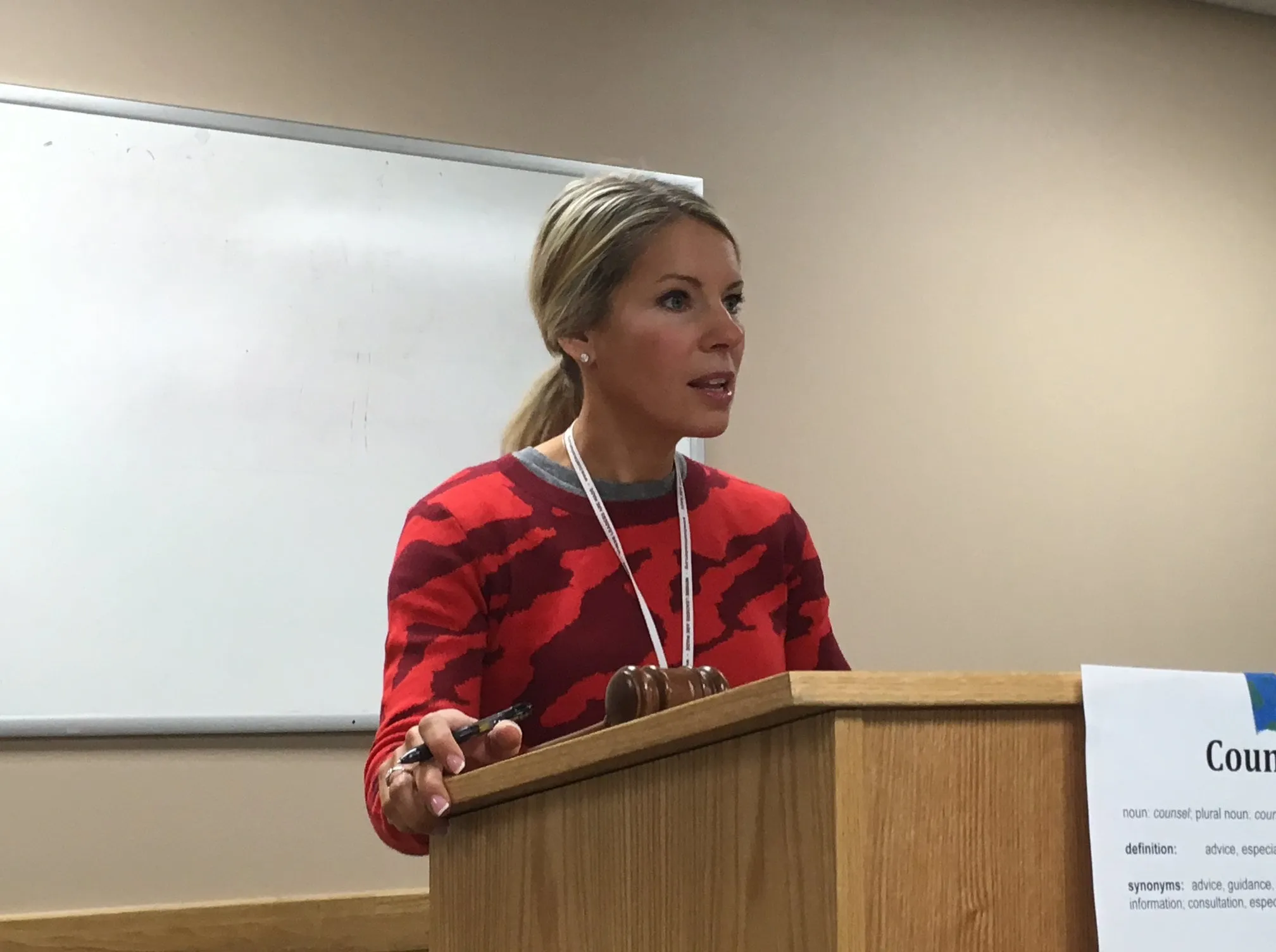
Jen in a red sweater speaking at a lectern beside a whiteboard

“Sales is a bricklaying job.” - Jen

The Bricklaying System

You start by laying your own bricks, one contact at a time. Then you start setting prefab walls: nurtured relationships that bring you business today and into the future.

Lay your own bricks

Every call, email, walk-in, and coffee is a brick. Slow at first, and it has to be done.
Then set prefab walls

Partners, referral sources, and networks open many doors at once. Same wall, built faster.

  1. Contacts

    Outreach. People whose contact info you have.

  2. Connections

    Meetings. Calls. Coffee. Lunch & Learns.

  3. Clients

    Closed business.

The 11 weeks

Four phases, from your first dial to a signed deal. We start building while we tweak the blueprint: every week is one live session, real outreach between sessions, and the numbers you report.

Weeks 1 to 3Lay the First Bricks

Weeks 4 to 6Hunt

Weeks 7 to 9Serve and Convert / Niche

Weeks 10 to 11Close

Week 1 of 11 · Lay the First Bricks

Your Number and Your Big Rocks

The pipeline math, from your goal to your weekly conversation number, and your priorities.

Week 2 of 11 · Lay the First Bricks

Low-Hanging Fruit

Tracking, reporting, and warm contacts first (Strategic Partners or End Users).

Week 3 of 11 · Lay the First Bricks

Get Started, Perfect as You Go

Speed of execution and the first 30 seconds of a cold call.

Week 4 of 11 · Hunt

The Bricklaying Strategy

Contacts, Connections, Clients. Lay your own bricks, then set prefab walls.

Week 5 of 11 · Hunt

Get in Front of People

Calls, email, LinkedIn, visits, coffee, and Lunch & Learns.

Week 6 of 11 · Hunt

Leading and Lagging Indicators

Read your scorecard, find the speed bump, and repair it.

Week 7 of 11 · Serve and Convert / Niche

Serve Don’t Sell / Niche

Discovery that identifies the real problem, asks for referrals, and narrows the niche when needed. Know what problem you solve.

Week 8 of 11 · Serve and Convert / Niche

Stories That Open Doors

Communicating value through real experience and establishing credibility inside of engagement.

Week 9 of 11 · Serve and Convert / Niche

Control the Process

Know the objections. Prepare for objections. Uncover unarticulated needs. Ask for the next step. Don’t float proposals.

Week 10 of 11 · Close

Events

Where do you spend your time? How can you bring more value to your clients and prospects when they spend time with you?

Week 11 of 11 · Close

Sales Meetings

Useful, fun, and productive for the whole sales team.

How each week works (90 minutes)

  1. 1. Live session

    60 to 90 minutes with your Crew, with direct access to the leadership team. Recorded in Skool.

  2. 2. Lay Bricks

    Real outreach between sessions, every week. You get in front of people right away, not after the theory.

  3. 3. Check & Repair

    Review your numbers, fix what’s slowing you down, with access to the leader anytime.

  4. 4. This week’s assignment

    Applied to your real prospects. Small enough to finish, big enough to move the numbers.

Your weekly scorecard

Week 1 → Week 11

  • Contacts
  • Conversations
  • Meetings booked
  • Opportunities added
  • Deals closed

Your own numbers, reported every week.

Habits That Stick & Convert

  • You have a process for outreach that works for you.
  • Your list and objectives are clear every day.
  • You know how to advance a Strategic Partner and an End User.
  • You know your leading indicators and activity numbers.

Selling will be fun and predictable, again!

What you walk away with

  • Your own call script, built for your market
  • An objection playbook with answers that work
  • A target list and a daily activity plan
  • A follow-up cadence across phone, email, and LinkedIn
  • Your scorecard
  • Recordings to rewatch whenever you need a reset
  • A platform to stay in touch with the Crew

Who it’s for

Business development, sales reps, and leaders who need to plan and execute sales activities. Sales teams that want to build habits that WIN!

Who it’s not for

Anyone looking for theory, a motivational speech, or a script to read without putting in the work.

Sending your team?

Get excited! Anticipate momentum, growth, and Revenue You Can Count On.
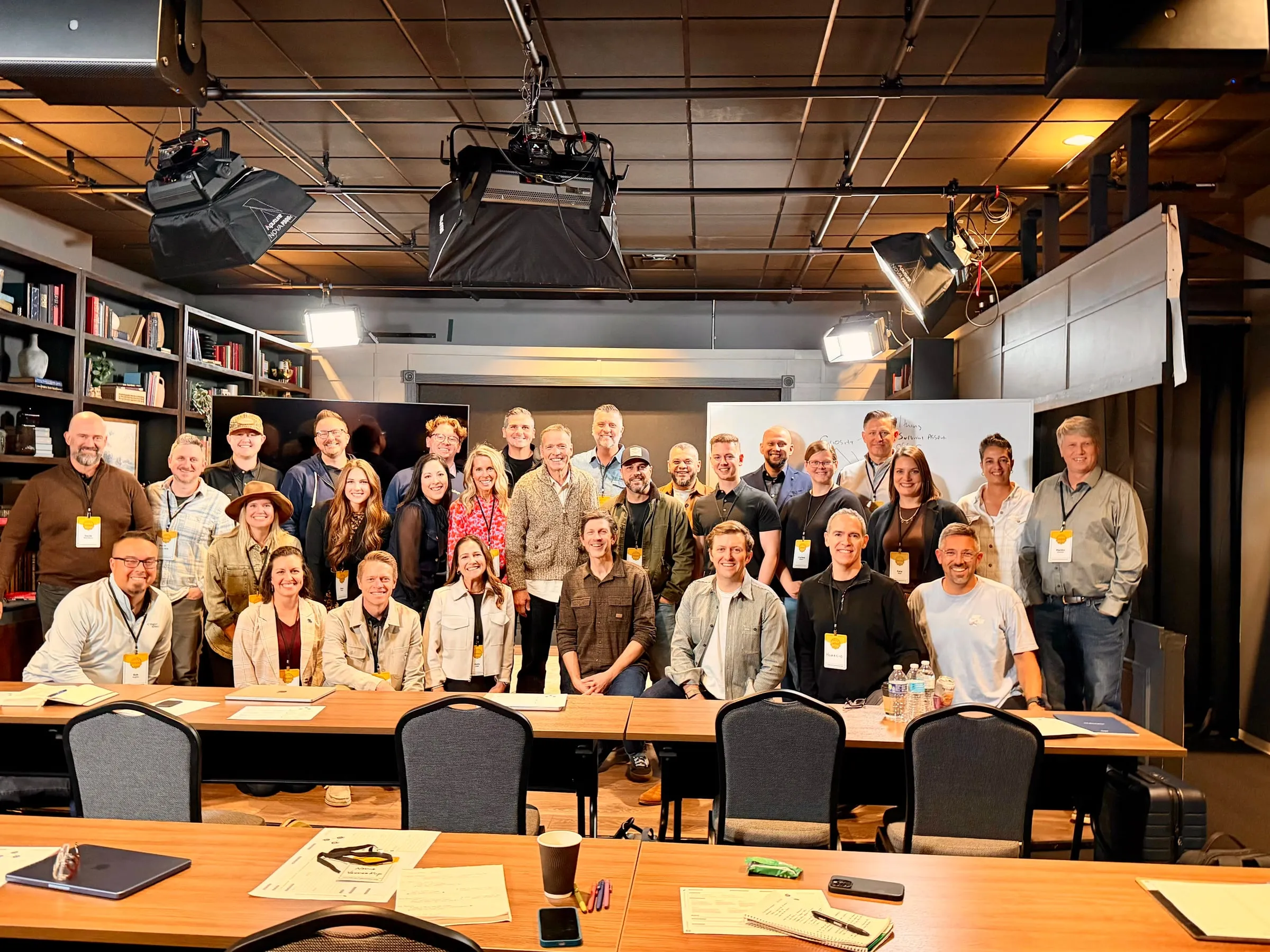
A large group photo in a meeting room

Format and investment

Format
Virtual
Sessions
60 to 90 minutes, weekly
Crew Size
Up to 15 seats
Leadership Access
Anytime throughout the 11 weeks
Recordings
In Skool
Starts
January 2027

Investment

Starting at $1,800

What would three months of lead gen cost you, pulling any other marketing or BizDev lever? Pour some gas on the fire you’ve already started!

Not sure it fits? Book a 20-minute call

Jen Orvis

Led by Jen Orvis

Jen is the founder of The Revenue Partner, a fractional sales leadership firm that builds sales processes for growing companies. Jen has spent more than 25 years in B2B sales across distribution, manufacturing, supply chain, publishing, and professional services.

“We will not move fast and break things, but we will start laying bricks on day one, so you make more money.”

Questions

Do we really focus on outreach?

Yes. Every week, you do real outreach between sessions and bring your numbers back. That is where the habit gets built, and we learn from each other.

What if I miss a session?

Every session is recorded in Skool. Do the assignment, report your numbers, and reach out to the leader anytime with questions.

Can I send my whole team?

Yes, it’s a good idea to send your team. Use the link above to schedule a brief call about team pricing.

How much time does it take each week?

60 to 90 minutes live, plus your normal selling time, used better.

Which industries get the best results?

All industries grow with Cold to Close! Product, service, B2B, and B2C.

Eleven weeks from now, you will feel confident and in control, with a full pipeline, habits that stick, and Revenue You Can Count On.

Join the next Crew

Let's Talk Sales

Pick a time for a 30-minute call with Jen. Tell her what a win looks like 12 months from now, and she'll talk through how to get you there.

Loading Jen's calendar…

Calendar not showing? Open it in a new tab

Sales Calculator

See what a sales hire really costs where you are: pay for the role in your area, plus benefits, recruiting, ramp-up and turnover. It takes about a minute.

Type a city and state, like Greeley, CO, or a ZIP code.

Number of hires
Advanced (optional)

These start at published averages. Change any to match your business.

Where these numbers come from

This is an estimate, not a quote. Your actual costs will vary. First-year cost per hire = pay + benefits + recruiting + turnover. Turnover is the share of hires you expect to replace each year, times what replacing one costs: recruiting, plus the pay of a new hire who is still ramping up.

Pay

The annual wage for the role in your pay area. Most roles use the median: half of these workers earn more, half less. BLS doesn't publish separate figures for every sales title, so VP or Director of Sales uses the 75th percentile for sales managers (a quarter earn more), and SDR / BDR / Inside Sales uses the 25th percentile for sales reps (a quarter earn less). It includes base pay, commissions and production bonuses, and leaves out overtime, year-end bonuses, profit sharing and benefits.

U.S. Bureau of Labor Statistics, Occupational Employment and Wage Statistics, May 2025 estimates (released May 15, 2026) (opens in a new tab)

Pay area

BLS groups whole counties into pay areas. Your ZIP or city is matched to the area that covers most of its land, using Census 2020 ZIP Code Tabulation Area relationship files.

U.S. Bureau of Labor Statistics, May 2025 OEWS area definitions (opens in a new tab)

Benefits and payroll taxes · 33%

Benefits, including legally required ones such as Social Security, Medicare and unemployment insurance, as a share of wages: $8.86 in benefits on $26.99 in wages per hour worked (33%).

U.S. Bureau of Labor Statistics, Employer Costs for Employee Compensation, June 2026, Table 4, private industry, sales and related occupations (opens in a new tab)

Recruiting · $5,475

The average cost to fill a non-executive role, across the employers SHRM surveyed.

SHRM (Society for Human Resource Management), 2025 Recruiting Benchmarking, average cost per hire, non-executive

Time to ramp up · 6.2 months

Months before a new closing rep sells at full speed. Reported by 158 B2B companies, mostly software, so your ramp may be shorter or longer.

The Bridge Group, AE Models, Motions & Metrics: 2026 Research Report (June 2026), average ramp time (opens in a new tab)

Turnover · 35%

The share of sales hires expected to leave in a year. Published figures vary widely; set your own.

A commonly cited industry figure, not a single survey